The Homeowner's Dilemma: DIY or Professional Help?
Many homeowners grapple with the decision of tackling home repairs themselves or entrusting the task to a professional. This initial choice often seems straightforward, yet it can lead to significant consequences if misjudged. The allure of saving money and the satisfaction of a job well done can be powerful motivators for DIY, but hidden complexities often emerge only once the project is underway.
The modern home is a sophisticated network of interconnected systems, from intricate electrical wiring to advanced plumbing. What might appear to be a simple fix on the surface can quickly escalate into a much larger, more challenging undertaking. Without the right expertise, tools, and understanding, even minor issues can become major headaches, potentially compromising safety or causing further damage.
A common symptom of this dilemma is the "half-finished" project, where initial enthusiasm wanes as difficulties mount. Homeowners often find themselves spending more time and resources correcting mistakes than if they had called a specialist from the outset. This causes frustration and can devalue the property or create unsafe living conditions, turning a small problem into a substantial liability.
Furthermore, the sheer volume of online information can be both a blessing and a curse. While tutorials are plentiful, discerning reliable advice from misleading instructions requires a keen eye. Relying on inadequate information can lead to incorrect techniques, improper material usage, and ultimately, repairs that fail prematurely or exacerbate the original issue, highlighting the need for careful consideration.
Common Reasons for Repair Misjudgment
- Lack of clear criteria: Homeowners often lack a structured approach to evaluate repair tasks, making decisions based on perceived simplicity rather than actual complexity or required specialized knowledge.
- Underestimation of complexity: The intricate nature of modern home systems is frequently underestimated. A simple leaky faucet might indicate a broader plumbing issue requiring diagnostic skills and specific tools.
- Overestimation of personal skills: A common pitfall is overconfidence in one's abilities, leading individuals to attempt repairs beyond their skill set, resulting in poor workmanship or even dangerous situations.
Smart Solutions for Home Repair Decisions
Thorough Assessment and Research
Before beginning any repair, conduct a comprehensive assessment. Research the specific problem, understand the necessary steps, and identify the tools and materials required. This initial phase helps gauge the true scope and difficulty. Look for detailed guides from reputable sources and consider the time commitment involved.
A crucial part of this assessment involves evaluating the potential impact of failure. If a DIY mistake could lead to significant property damage, safety hazards, or expensive subsequent repairs, it's a strong indicator that professional help might be the smarter choice. Prioritize safety and long-term functionality.
Understanding Your Skill Set and Limitations
Be honest about your own capabilities. While many small tasks like painting or minor carpentry are within reach, specialized areas such as electrical work, gas appliance repairs, or structural modifications demand specific training and certifications. Attempting these without proper knowledge can be extremely hazardous.
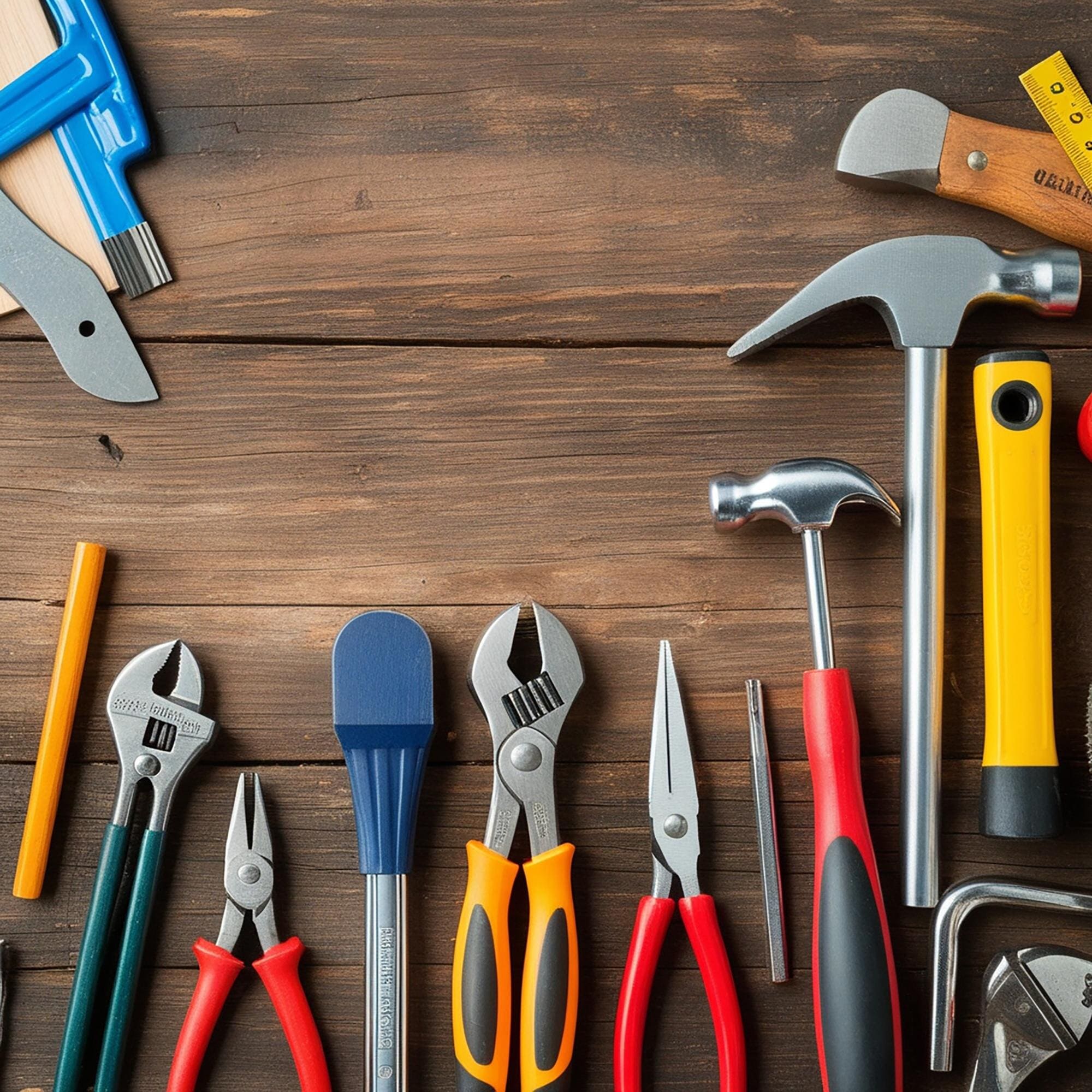
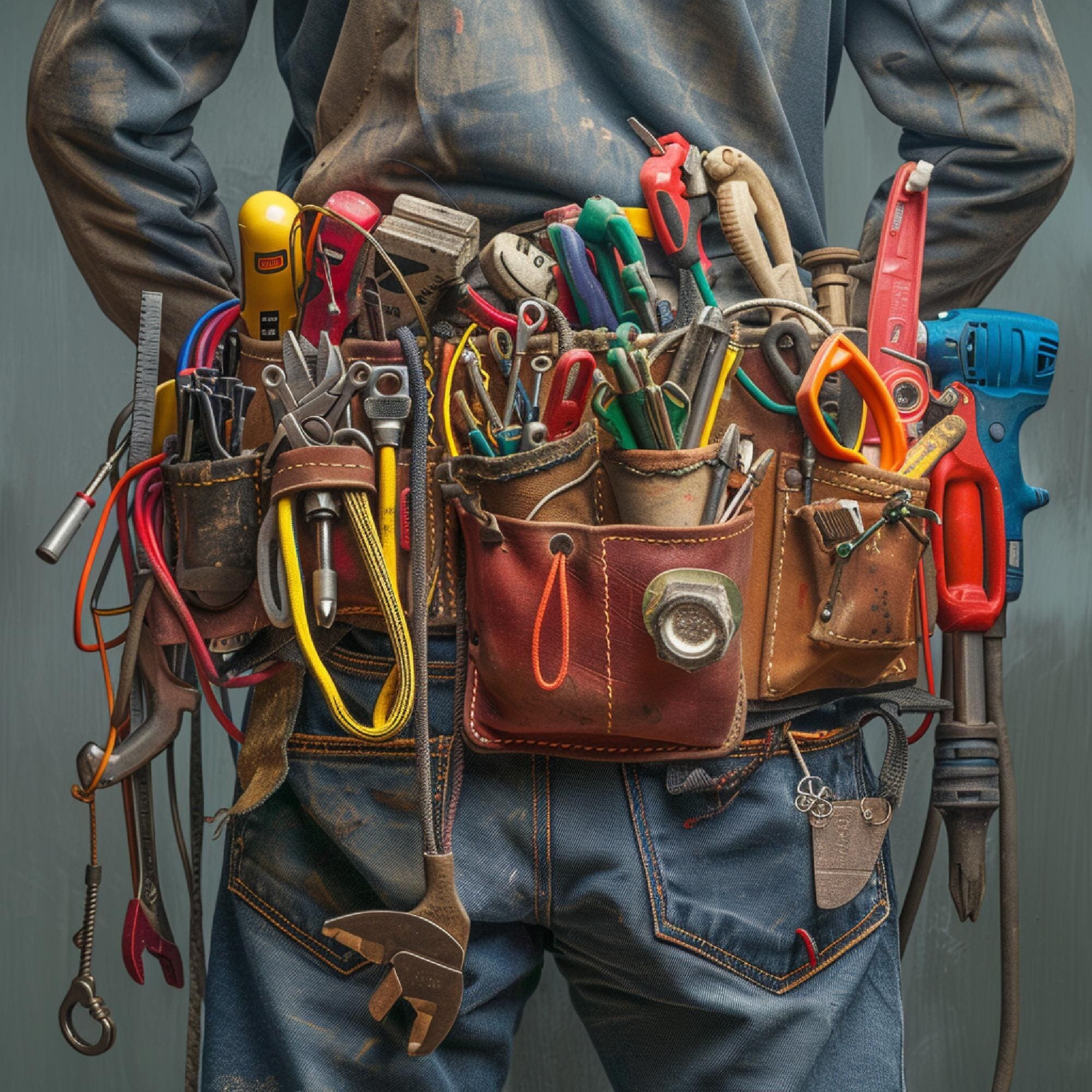
Consider whether you possess the correct tools and equipment. Investing in specialized tools for a one-off repair might negate any potential savings. Furthermore, assess your comfort level with the task. If you feel uncertain or overwhelmed, it’s a clear sign to reconsider a DIY approach and seek expert assistance.
The Value of Professional Expertise
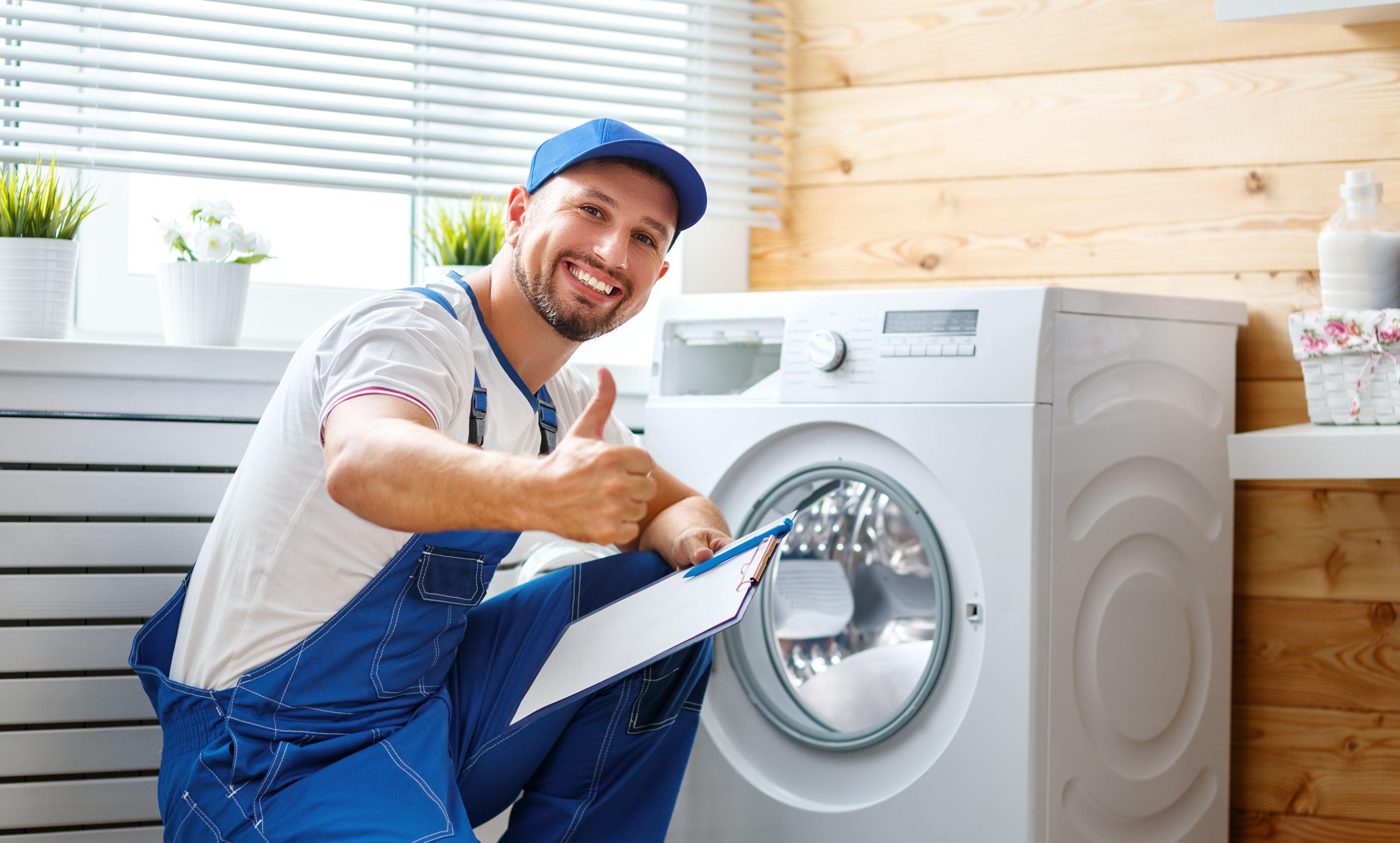
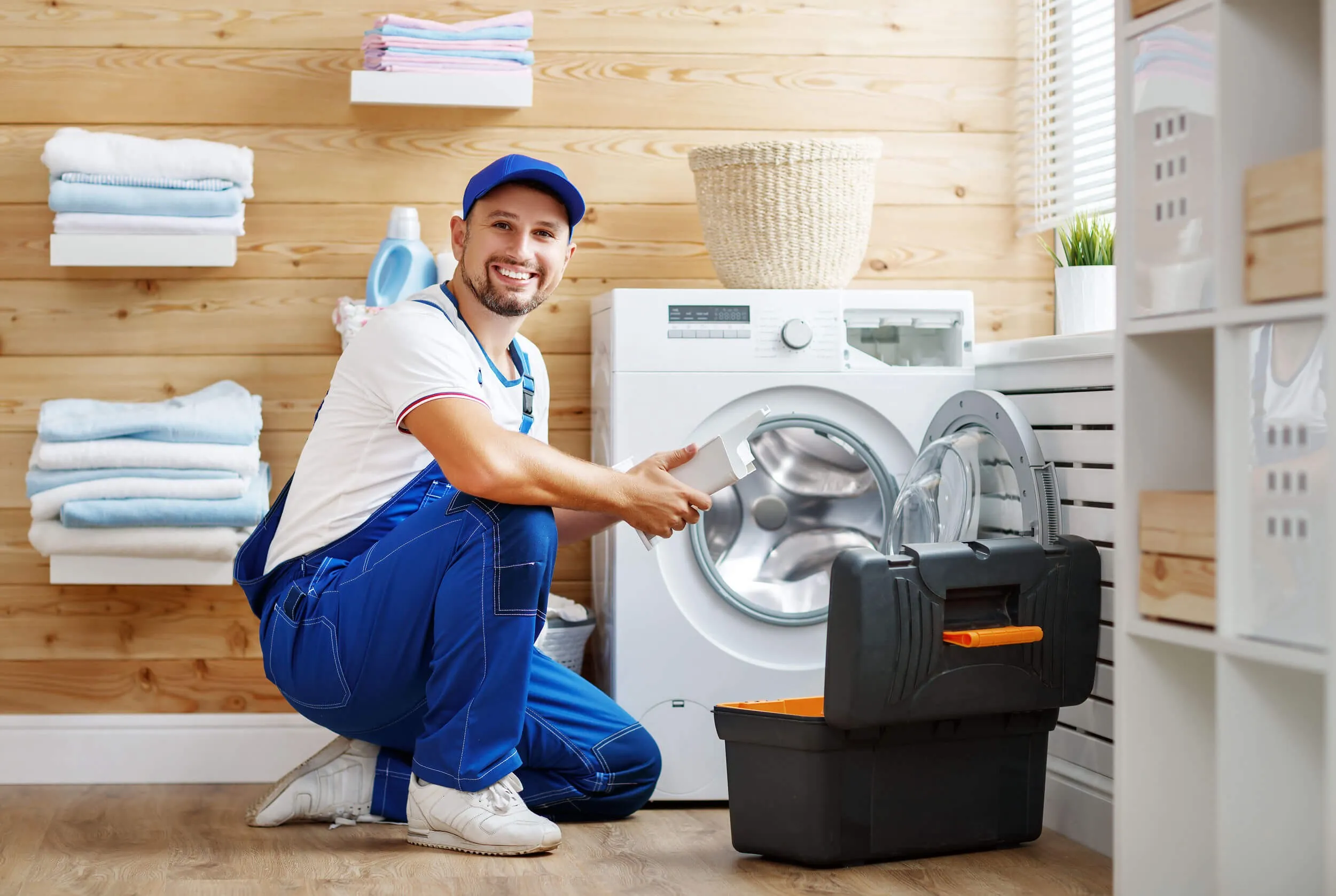
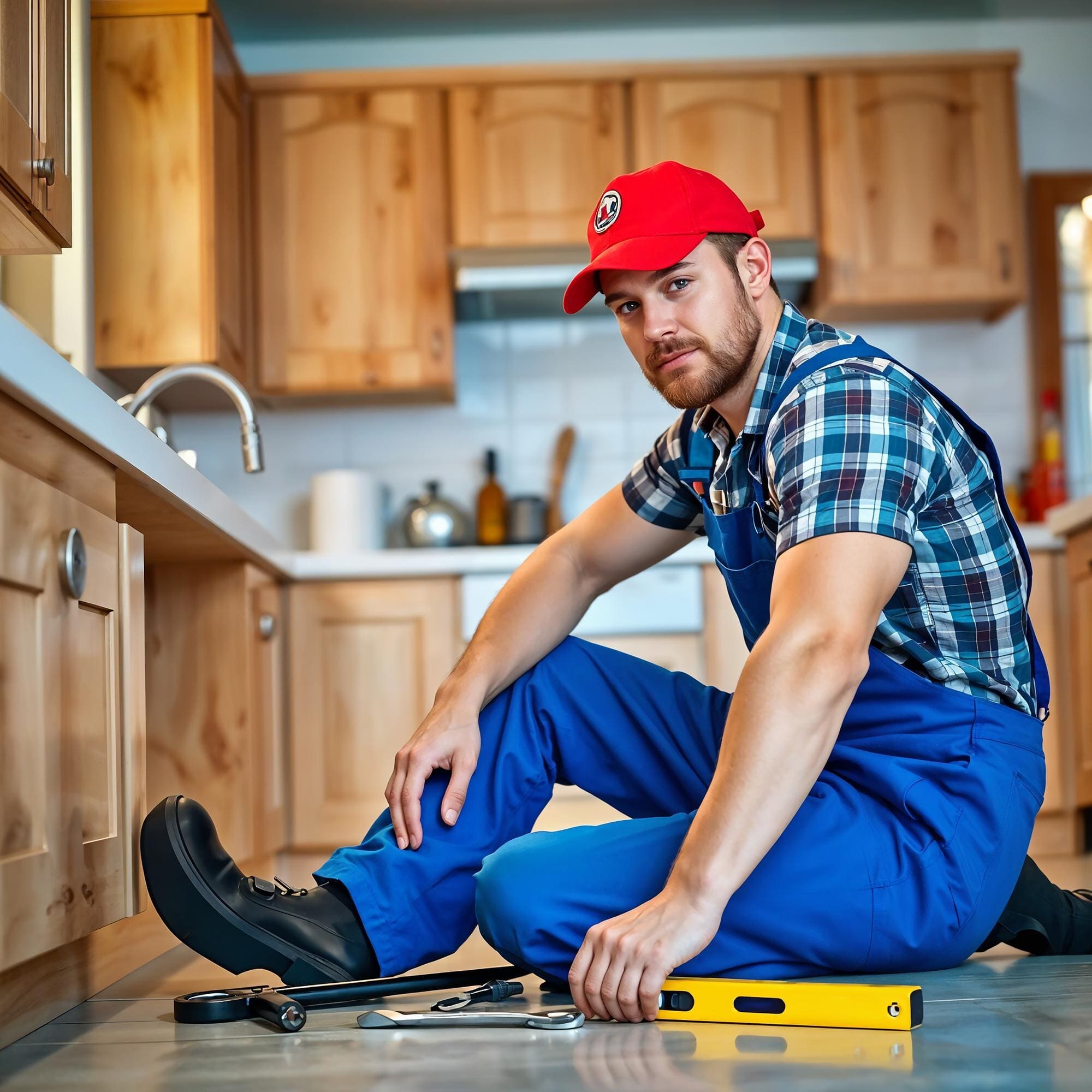
Engaging a professional from Kneanut offers peace of mind and ensures the job is done correctly and safely the first time. Professionals bring not only their expertise but also specialized tools, insurance, and often guarantees for their work. This can prevent costly mistakes and provide a lasting solution.
While the upfront cost of a professional might seem higher, consider the long-term value. A correctly executed repair can prevent future issues, maintain property value, and ensure compliance with building codes. For complex systems, the investment in expert service often pays dividends by avoiding future complications and ensuring home safety.
Potential Risks and Mitigation
- Increased damage from DIY attempts: Incorrect repairs can exacerbate the original problem, leading to more extensive and costly damage. Recommendation: Always start with thorough research and know when to stop and call an expert.
- Selecting an unqualified professional: Hiring someone without proper credentials can result in shoddy work, safety risks, and wasted resources. Recommendation: Verify licenses, check references, and ensure they are insured before engaging any service.
- Unforeseen costs or project scope creep: Even with professionals, unexpected issues can arise, increasing the overall expense. Recommendation: Request detailed estimates, understand potential contingencies, and maintain open communication throughout the project with Kneanut or your chosen provider.

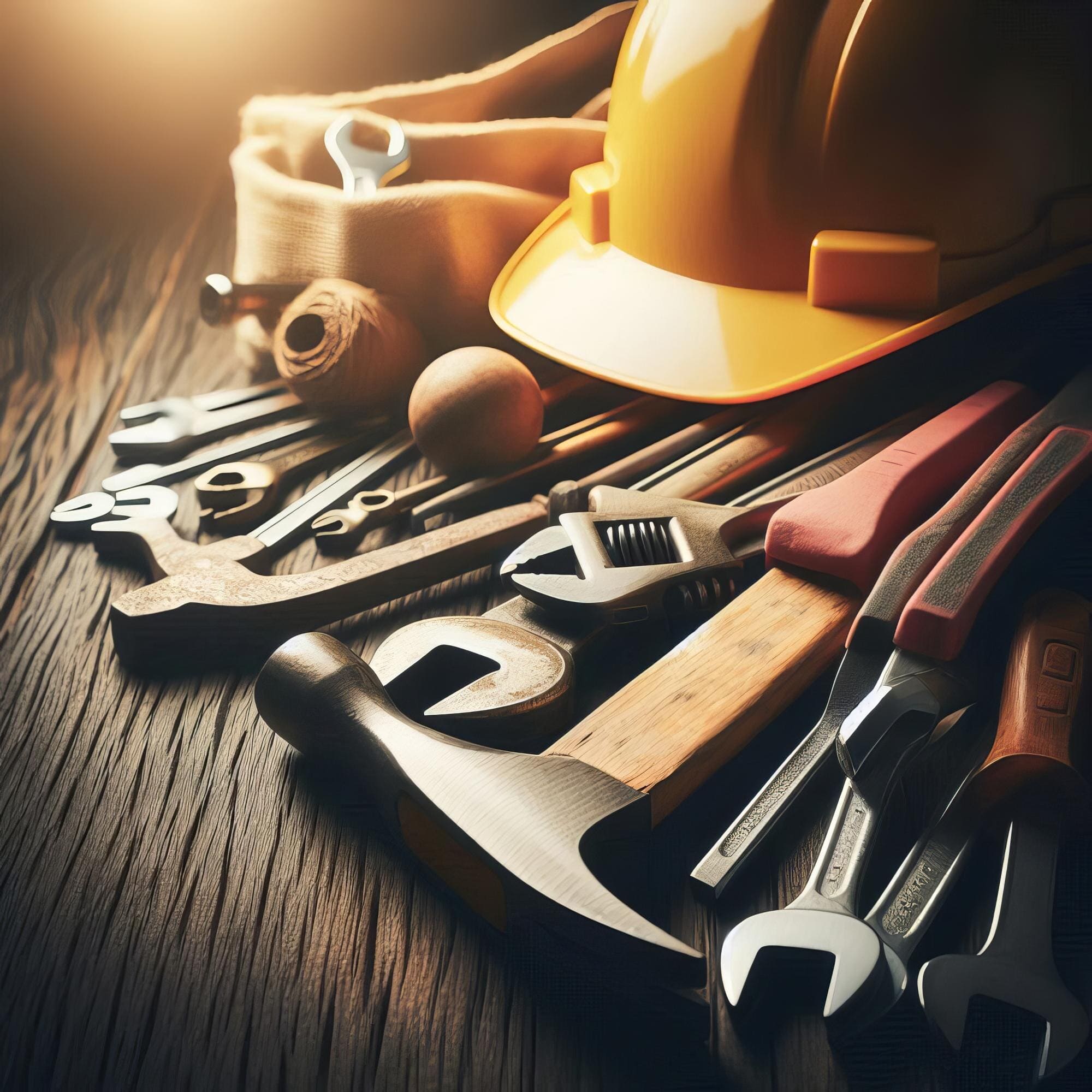
This article highlights a common dilemma. It's always tricky to decide whether to save money by doing it yourself or ensure quality by hiring a pro. The points on assessing complexity are particularly useful.
Kneanut always provides practical advice. I especially appreciate the emphasis on understanding one's own limitations. I once tried to fix a plumbing issue and ended up making it worse. Learned my lesson!